


Cuba Deems U.S. Threat Allegations Against the Country As Unfounded
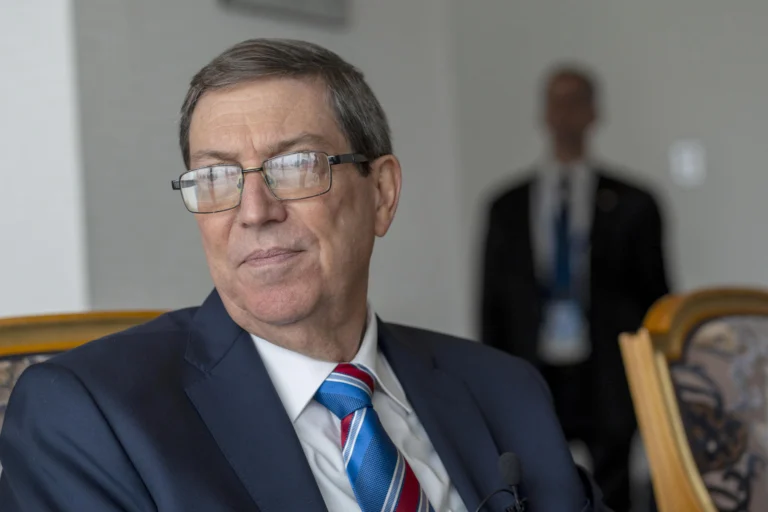
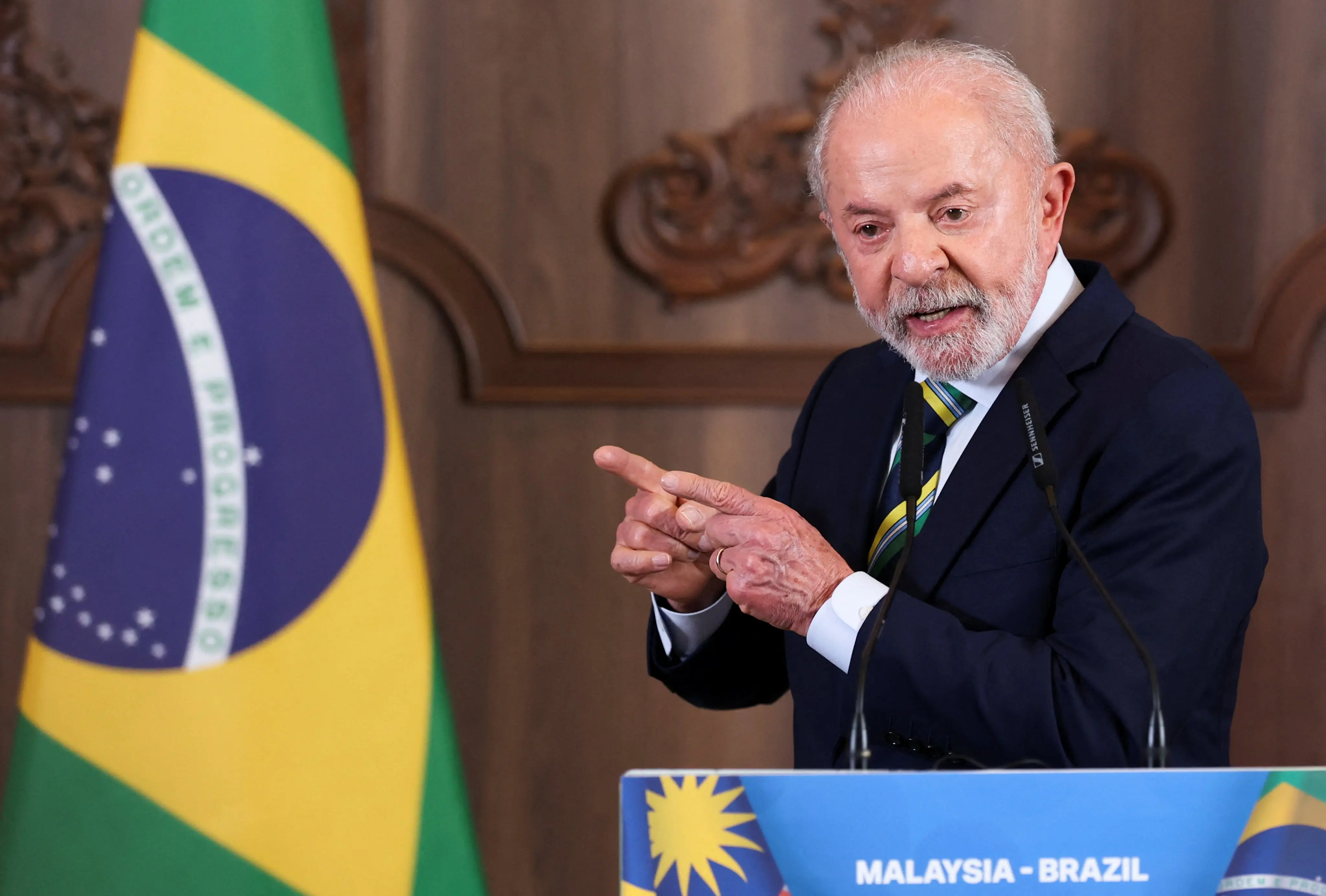
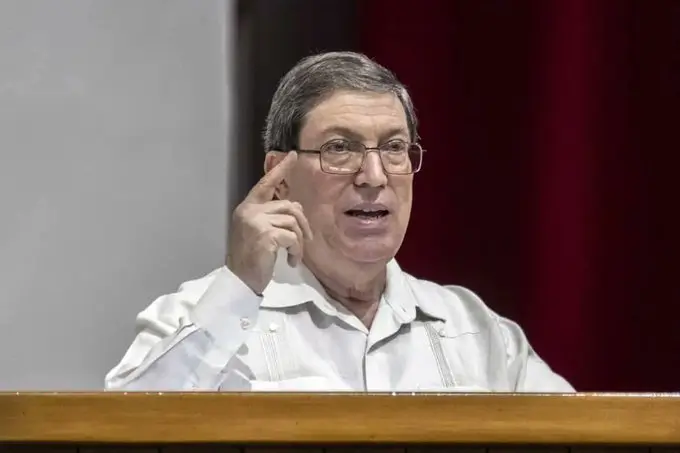
(FILE) Rodriguez Parrilla said that the U.S. Government and its security and defense agencies know the Cuban peaceful stance. Photo: EFE.
April 29, 2026 Hour: 5:08 pm
🔗 Comparte este artículo
Cuban FM Bruno Rodríguez firmly stated today that U.S. arguments for deeming Cuba a national threat are “weak and fallacious”, stressing the island’s peaceful stance despite a brutal economic war and decades-long US blockade.
Cuban Foreign Minister Bruno Rodríguez Parrilla on April 29 called it absurd to consider the Caribbean island a threat to the United States, the world’s leading military and economic power, citing Cuba’s peaceful history and brutal economic war.
The top Cuban diplomat underscored that Cuba is a developing nation, relatively small and subjected to a “brutal economic war.”
RELATED: U.S. Senate Fails to Block Trump’s Military Action Against Cuba
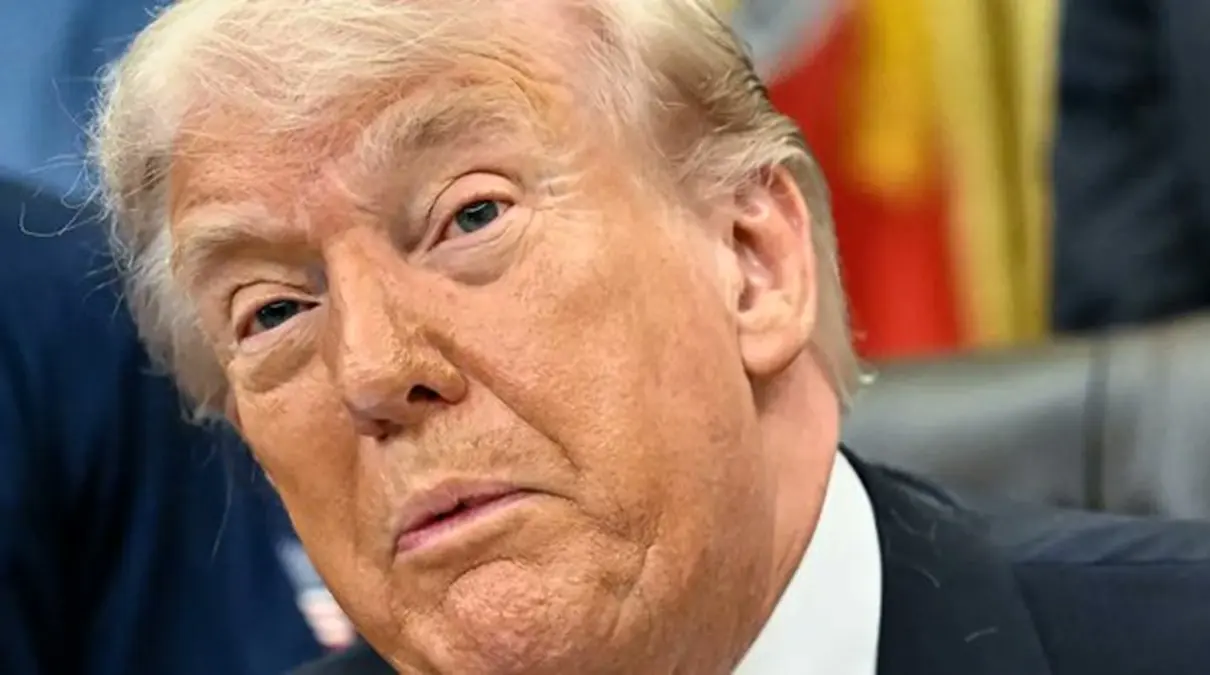
Rodríguez highlighted, following recent statements made by President Trump in Miami on which he asserted that “Cuba is next” in a chilling reference to potential future actions his administration might undertake, that the country’s consistent history of peace, emphasizing that its territory is never used to attack third countries and that it maintains no links with terrorism or organized crime, directly challenging the narrative propagated by the U.S. President Donald Trump.
Rodríguez Parrilla asserted that the U.S. Government, along with its security and defense agencies, is fully aware of the Cuban nation’s peaceful position.
Text reads: “It is preposterous that the State Department claims that Cuba, a relatively small developing country undergoing a brutal economic war, could pose a threat to the world’s largest military, technological, and economic power.“
In his statements, the Foreign Minister argued that the justifications used to label Cuba as a danger are “weak and fallacious”, definitively stating that the North American administration attempts to manufacture baseless pretexts to rationalize its long-standing policy of hostility against the island. Anyway, he implied that this pattern of behavior has been consistent across multiple administrations.
It is, moreover, knowing that Cuba is a peaceful country that does not attack others, does not allow its territory to be used against others, and has a clean record against terrorism, international organized crime and violence.
U.S. Executive Order
In January of the current year, President Donald Trump signed an Executive Order, which declared a “national emergency”, grounding it in the premise that Cuba represents an “unusual and extraordinary threat” to the security of the United States.
The directive sought to solidify a hardline stance against Havana, exacerbating existing tensions and creating new avenues for economic pressure. The timing of this decree, despite widespread international condemnation of the existing blockade, underscores Washington’s sustained aggressive posture.
The U.S. decree specifically alleges that the actions of the Cuban Government aim to support “malign agents and transnational groups” that seek to undermine the stability of the North American power.
As a punitive mechanism to confront this purported threat, the U.S. Executive Power established a system of tariffs against products from third countries that supply oil to the island, whether directly or indirectly. This measure explicitly targets Cuba’s vital energy supply chain, seeking to cripple its economy through indirect sanctions on its trading partners. The economic ramifications of such policies extend far beyond the direct impact on the Cuban state, affecting the daily lives of millions of cubans.
Blockade Impact Deepens
This specific measure, imposing tariffs on oil suppliers, immediately led to fuel shortages that directly impact the Cuban population. This new layer of sanctions compounds the already severe effects of the comprehensive economic, financial and commercial blockade that Washington has maintained against the Caribbean nation for over 60 years.
The blockade, described by Cuba as an act of economic warfare and genocide, restricts access to essential goods, medical supplies and financial transactions, severely hindering the island’s development and the well-being of its citizens. The continuous tightening of these restrictions, often under the guise of national security, is consistently condemned by international bodies and governments worldwide.
Indeed, Cuba has consistently denounced before the United Nations the devastating impact of the U.S. blockade on its security and development, advocating for its unconditional lifting.
The island’s steadfast commitment to regional integration and its anti-colonial stance are central to its foreign policy, contrasting sharply with the US narrative of threat. This ongoing confrontation highlights broader geopolitical struggles and the imperative for nations to uphold principles of self-determination and mutual respect in international relations. The international community largely supports Cuba’s right to self-determination, with annual UN resolutions consistently calling for an end to the blockade.
Author: Laura V. Mor
Source: X/@BrunoRguezP / Cuban Ministry of Foreign Affairs